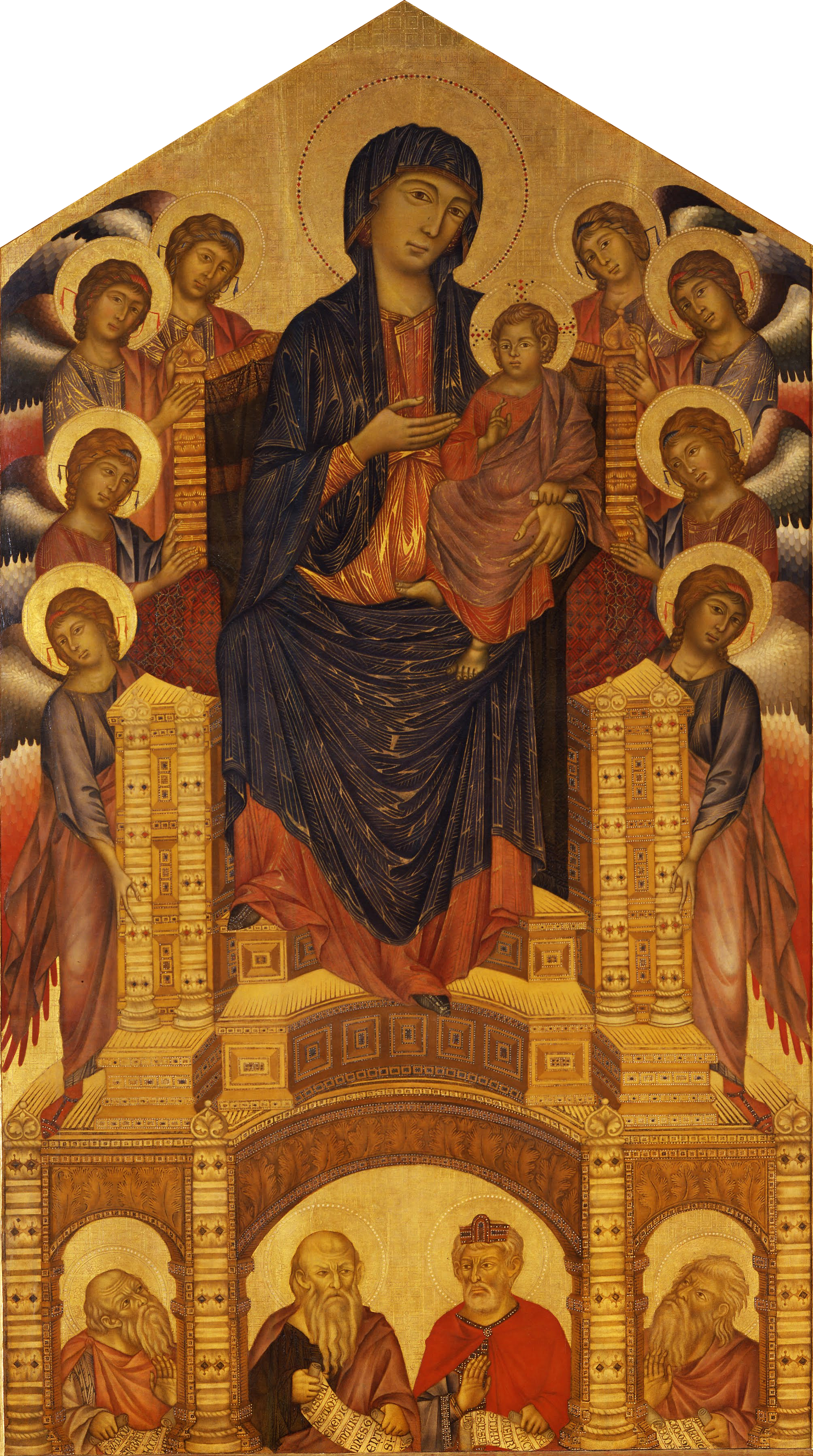
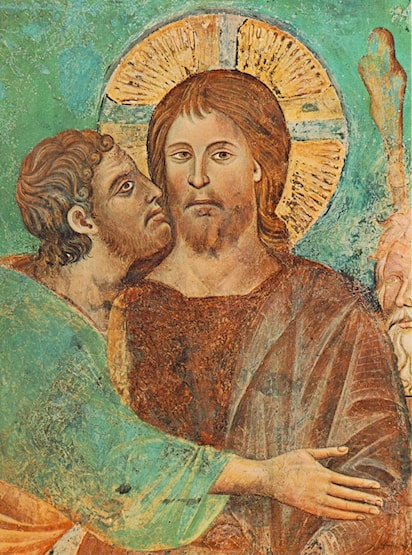
Cimabue (pronounced "chee-mah-BOO-eh") clung to Byzantine tradition while beginning to usher in a more naturalistic style in Italian painting. Think of "Cimabue's Byzantine Blues":
- Byzantine Influence: Gold backgrounds, elongated figures, hierarchical scale (important figures are larger).
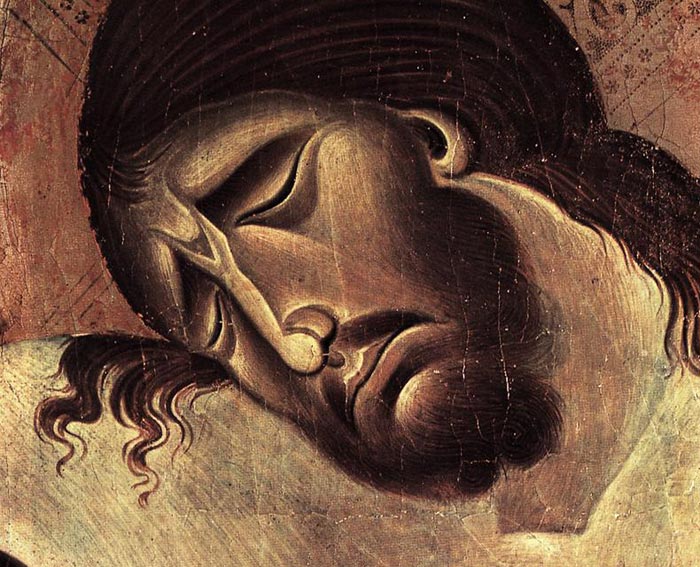
- Emerging Naturalism: He attempted to create a sense of depth and volume in his figures, a departure from the flatter Byzantine style. Faces display slight, but groundbreaking, emotionality.
- Key Themes: Primarily religious subjects – Madonnas, crucifixions, and saints.
Essentially, Cimabue acted as a bridge, bringing a touch of life to the rigid, symbolic world of Byzantine art. He was the "See-me-boo!" as he was an artist to pay attention to.
Title: Cimabue - Wikipedia
Link
Title: Cimabue - 18 artworks - painting
Link
Title: Art in Tuscany | Cimabue
Link
Title: Cimabue | Italian Painter & Medieval Master | Britannica
Link
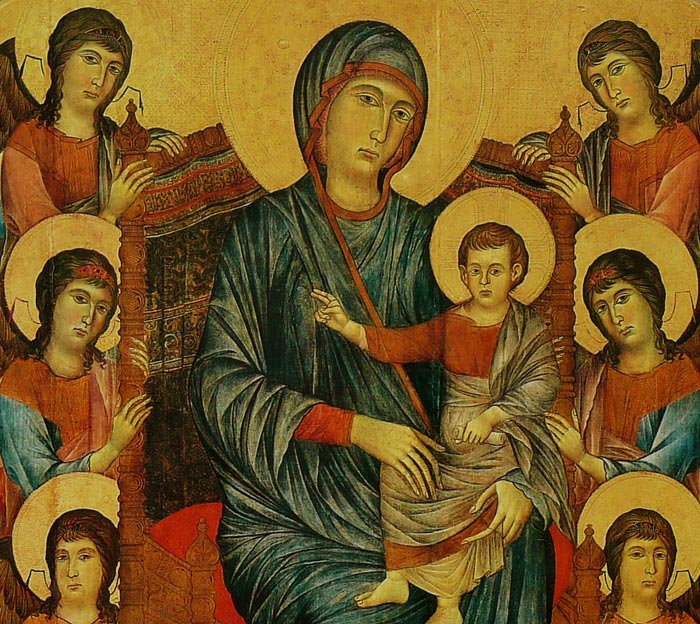
Title: Art in Tuscany | Cimabue
Link
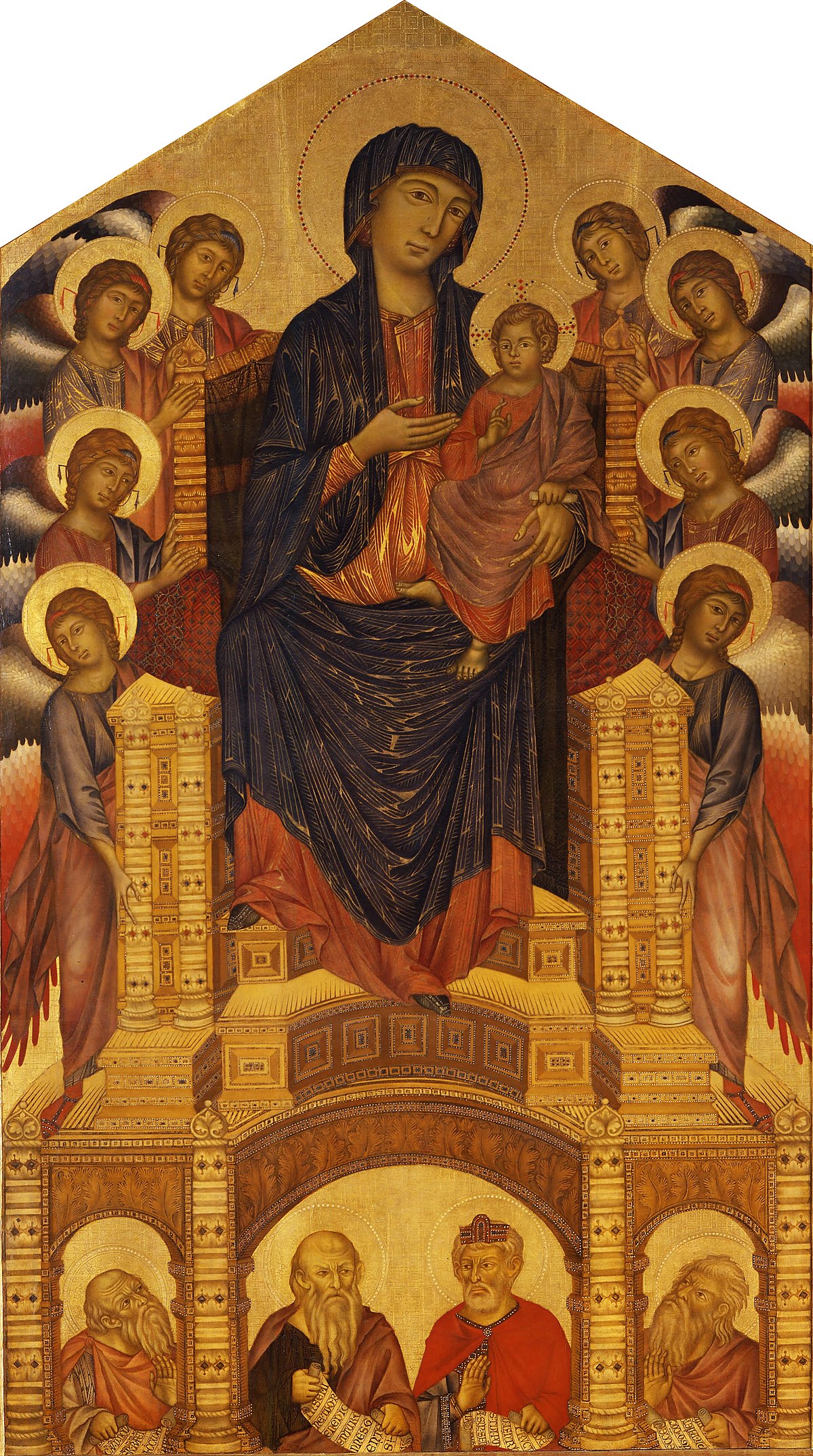
Title: Cimabue - Wikipedia
Link
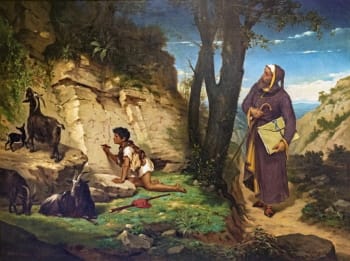
Title: Cimabue Paintings, Bio, Ideas | TheArtStory
Link
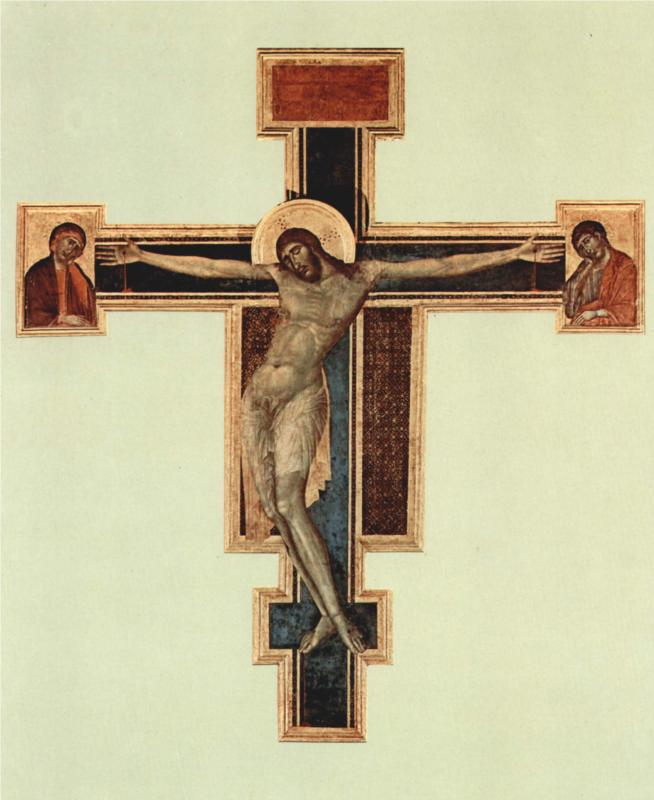
Title: Cimabue Paintings & Artwork Gallery in Alphabetical Order
Link
Title: Giovanni Cimabue - 15 artworks - Art Renewal Center
Link